
Macro See, Macro Do
Elixir beginner tearing apart quote/1 and sharing his learnings.
https://hint.io/blog/elixir-demystifying-quote
Also on dev.to:
Correios CEP 0.4.0 released! General update and bug fix.
Correios CEP allows to find Brazilian addresses by zip code, directly from Correios API. No HTML parsers.
Changelog for version 0.4.0:
Added
- Correios API full URL in options.
- Missing code documentation and typespecs.
- Makefile.
Changed
- General update and refactoring.
Fixed
- Remove dependency from config/config.exs. Issue #15
Check it out at:
Ego in Elixir part II
Second part of series Ego in Elixir. Today we refactor our lexer to prepare it to new kind of tokens.
https://koziolekweb.pl/2020/04/19/lexer-ego-w-elixirze-czesc-ii-preoptymalizacje/
Controller-style approach to LiveView resources
In this guide I present how to quickly make a typical HTML resource come alive using abstraction offered by Phoenix.LiveController. As a bonus I also present how to get Phoenix 1.4 app prepared for Phoenix.LiveView. All wrapped in an approachable step-by-step diff-backed cheatsheet.
This is a first installment in a series about going all-in with Phoenix live views, including as many HTML routes as possible, complete live navigation, integrated authentication solution and perhaps more.
Read more on Cloudless Studio blog.
Deploy a Phoenix app to Digital Ocean and automate deployments with GitHub Actions
This video series starts from building a basic phoenix app and continues all the way through setting up automated deployment to a Digital Ocean server with GitHub Actions. The videos are in parts:
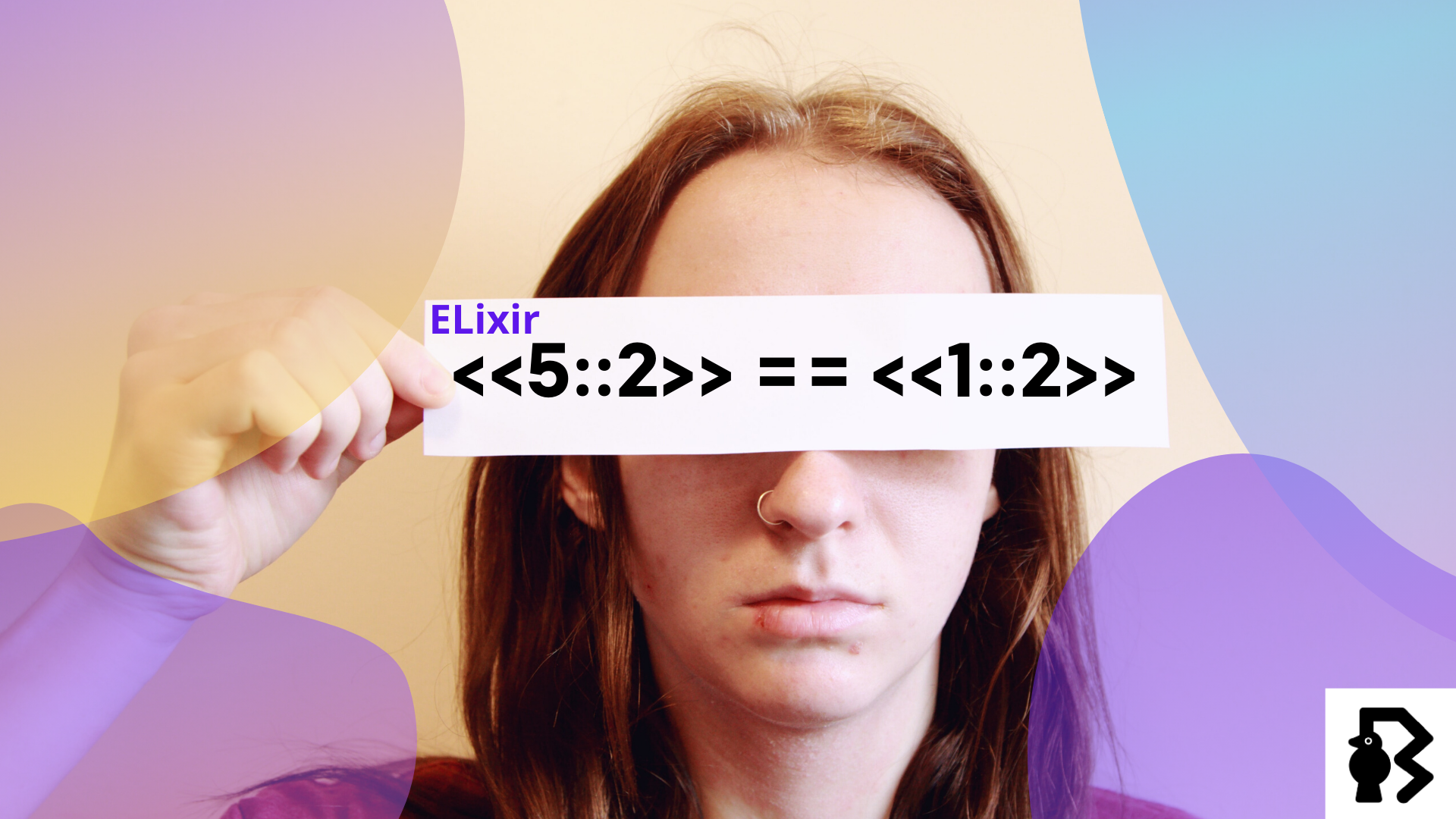
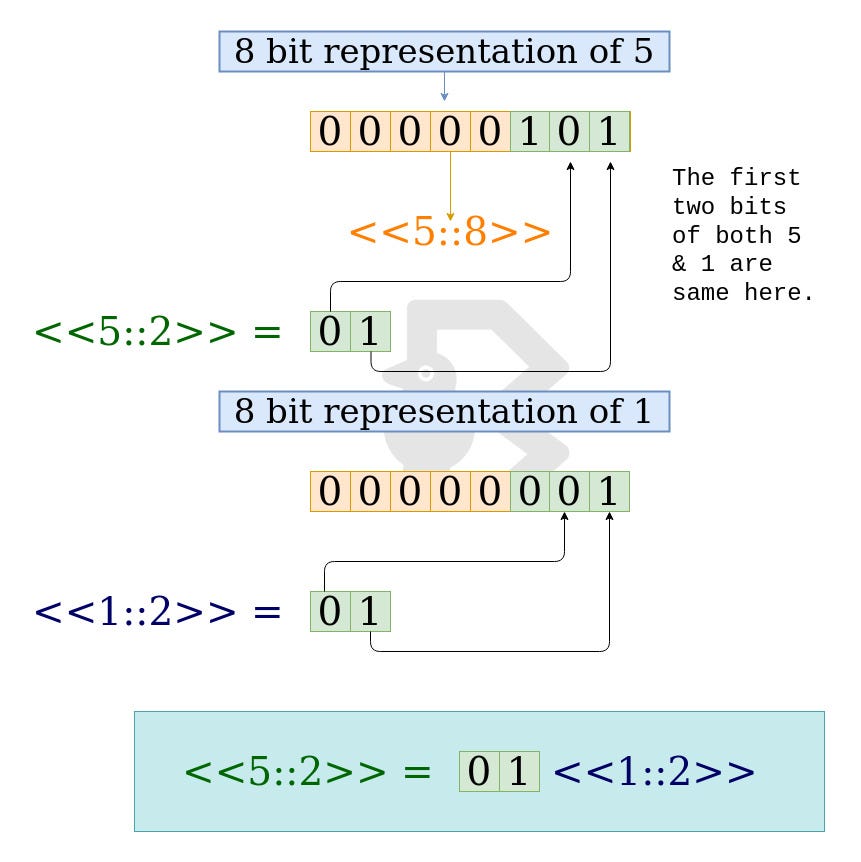
Why << 5 :: 2 >> = << 1 :: 2 >>? Elixir
https://medium.com/@blackode/why-5-2-1-2-elixir-274510c7830c
A picture worth a thousand words
Phoenix 1.5 LiveDashboard's Request Logger
I installed Elixir 1.5-rc.0 and gave a new Request Logger a go.
Simple lexer in elixir
EGO is simple language created for learning purposes. I wrote very basic lexer of Ego in Elixir. All work based on java version of that lexer written by Jarek Pałka and Wiktor Sztajerowski.
Building a keyboard w/ Elixir and a RPi Zero
In the first article of this series, we will understand how to send USB key presses using a Raspberry Pi Zero and Nerves.
ttps://medium.com/@amalb/building-a-keyboard-with-elixir-fc7bd3f60ec3?sk=0d05bfcf4e305a64b4d61078b0ce5520
Setting up Worker Pools with Poolboy in Elixir
One of the great benefits of the way processes work in Elixir is being able to easily opt-in to synchronous or asynchronous behavior. We cover how to do this in a video.
https://learn.quantlayer.academy/members/posts/21458-setting-up-worker-pools-with-poolboy-in-elixir
Plug-based authorisation for Elixir and Phoenix
Dictator - a tiny plug-based authorisation package for Elixir and Phoenix - the story of its inner workings and the Elixir awesomeness behind them. https://subvisual.com/blog/posts/147-plug-based-authorisation-for-elixir/
Elixir — Sort Lists by Date
Having trouble sorting lists by Date on Elixir? Nuno got you covered 💪 Check his latest article on our blog ✍️ 👉 https://coletiv.com/blog/elixir-sort-lists-by-date/
Design for Scale and Low Maintenance
https://www.youtube.com/watch?v=19XPpsKLG_E&t=653s
“Design for Scale and Low Maintenance” by Gheorghina at ElixirBerlin’s April remote meetup
Phoenix.LiveController - controller-style abstraction for building multi-action live views on top of Phoenix.LiveView
Phoenix.LiveController comes in to organize live view code that covers multiple live actions in a fashion similar to how Phoenix controllers organize multiple HTTP actions. It provides a pragmatic convention that still keeps pieces of a stateful picture visible by enforcing clear function annotations.
Learn more about the library & see examples in documentation on HexDocs and get the code from repo on GitHub.
Coming soon: blog post that’ll explain how the library came to life and that’ll guide through converting regular HTTP controllers to live controllers.
Understanding and fixing recompilation in Elixir projects
Slow recompilation means slow feedback loop and distrupted workflow. Let’s find out how to fix this.
https://szajbus.dev/elixir/2020/04/14/understanding-and-fixing-recompilation-in-elixir-projects.html
Select into a Map with Ecto
When you need to be able to match up records in a performant way with Ecto, selecting your records into a map makes this very simple. I’ll show you how!
https://dennisbeatty.com/2020/04/13/select-into-map-with-ecto.html
ElixirMix Podcast 092: Elixir and Python interoperability with Alvise Susmel
In this episode of ElixirMix, we talk with Alvise Susmel about building Elixir systems that leverage Python image detection on video frames. We cover Ports vs NIFs, using different platforms for their strengths, cool embedded hardware, displaying real time results in Phoenix or Scenic, and much more!
ElixirMix Podcast 092: Elixir and Python interoperability with Alvise Susmel
In this episode of ElixirMix, we talk with Alvise Susmel about building Elixir systems that leverage Python image detection on video frames. We cover Ports vs NIFs, using different platforms for their strengths, cool embedded hardware, displaying real time results in Phoenix or Scenic, and much more!
Send Email from @elixirphoenix using Bamboo from @thoughtbot
Using Bamboo and Mailgun to configure different environments and send emails from Phoenix.
https://phxroad.com/phoenix/use-bamboo-to-send-email-in-phoenix
Vnu v1.0.0 released - a library for validating HTML, CSS, and SVG documents
I wrote an Elixir client for the Nu HTML Checker (validator.w3.org/nu). It offers ExUnit assertions for validating dynamic content in tests (e.g. in Phoenix controller tests), Mix tasks for validating static content, and general purpose functions to fulfill other needs.